
Oakwood Veterinary Hospital
Caring for Northern Michigan’s pets since 1977. Discover experienced, advanced veterinary care at our full-service animal hospital in Traverse City.


Proudly welcoming new clients!
AboutOakwood Veterinary Hospital
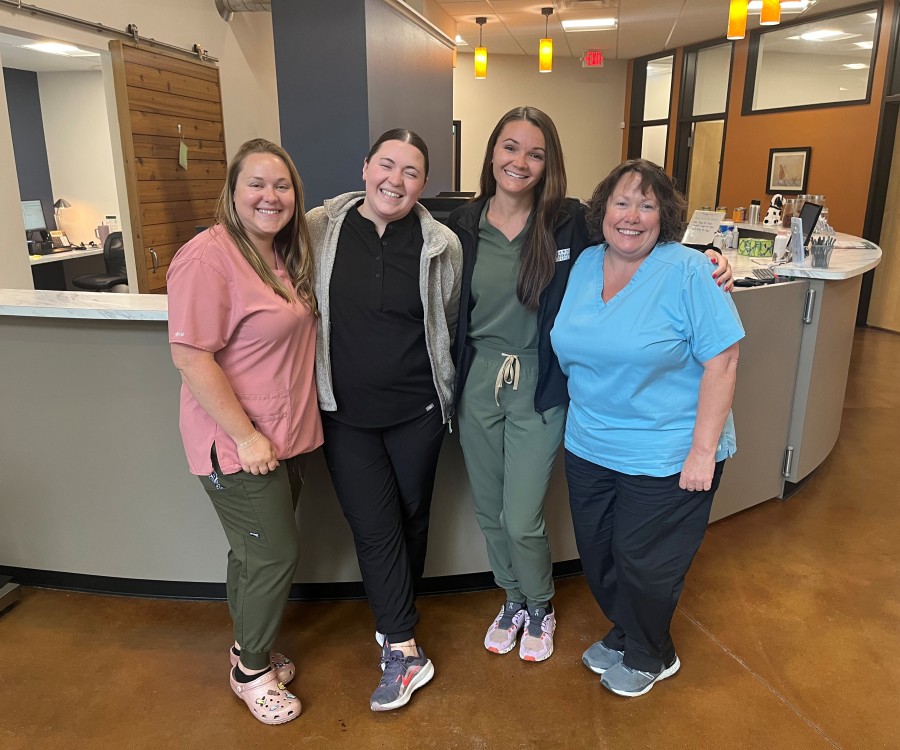
For over 40 years, Oakwood Veterinary Hospital has served pets and their families with reliable, personalized care in the heart of Traverse City, MI. As a long-established veterinary clinic, we combine time-tested medical expertise with today’s leading veterinary technology to help pets live healthier, happier lives.
Complete Veterinary Carein Traverse City, MI
Oakwood Veterinary Hospital offers a wide range of services to support your pet’s health at every life stage. Our facility is equipped to diagnose, treat, and manage a variety of conditions—from routine care to complex medical needs.

Preventive Care
Diagnostics & Imaging

Soft Tissue Surgery

Orthopedic Surgery
Meet Our DedicatedVeterinary Team
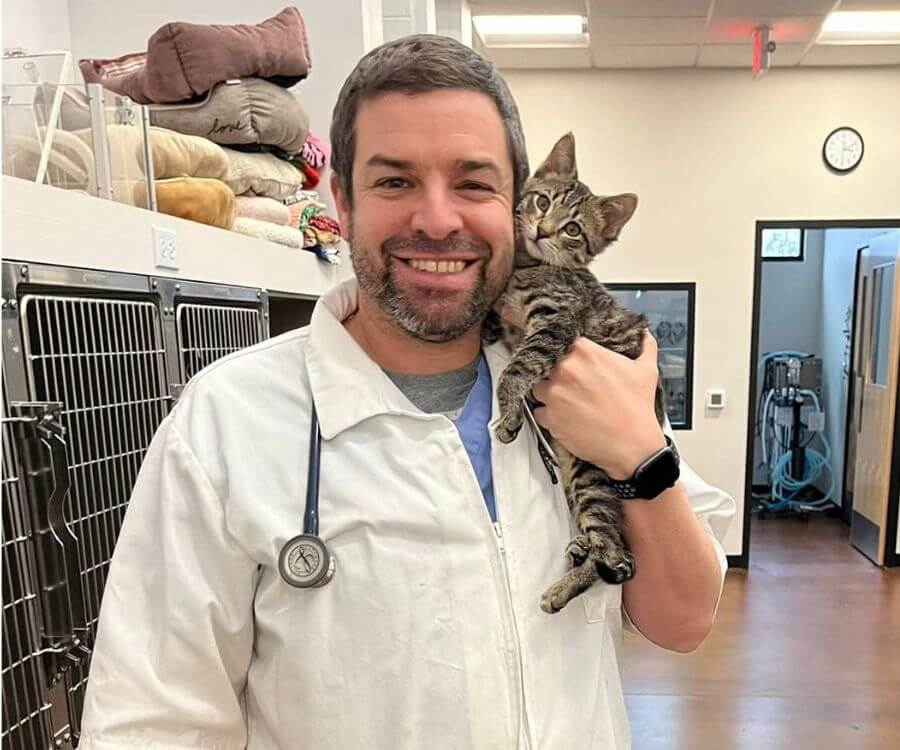
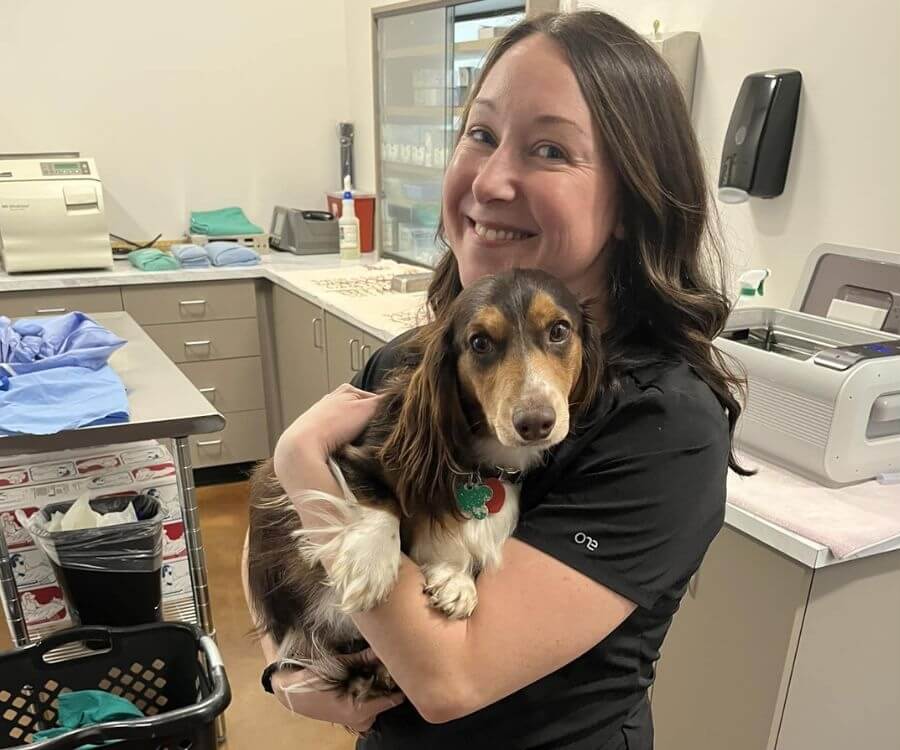
Our team of experienced veterinarians is committed to forming lifelong partnerships with pet owners, providing everything from routine wellness care to complex surgical procedures. Whether you’re seeking preventive services for a new puppy or need expert diagnostics for a senior cat, you can count on Oakwood to deliver compassionate, quality care with integrity.

Current Specials
Caring for pets is what we do best, and rewarding our loyal clients is part of that care. Through our Refer-a-Friend program, you can help fellow pet owners discover exceptional veterinary care while both enjoying a thank-you gift from us.
Thank you for making us one of thehighest-rated veterinary hospitals in Traverse City, MI.
From preventive visits to life-saving treatments, we’re proud to be the go-to animal clinic in Traverse City for generations of families. Hear what our clients have to say about the care their pets receive and the trust they place in our team.